Understanding Your Dental Needs
Your smile is one of your most important features and plays a significant role in your overall health and self-confidence. However, many individuals neglect their dental needs until pain or discomfort arises. Understanding your dental requirements begins with assessing your dental health and identifying potential issues. In this guide, we will explore the essentials of dental care, help you identify pain points, and share how to effectively choose the right dentist for you. If you’re seeking a reliable resource for this, check out this site that streamlines the process of finding a dentist tailored to your needs.
Why Regular Check-Ups Matter
Regular dental check-ups are crucial for maintaining optimal oral health. These visits allow your dentist to identify issues before they escalate into more significant concerns. During a check-up, your dentist will perform a thorough examination, including checks for cavities, gum disease, and even oral cancer. Proactive dental care can help avoid painful procedures and ultimately save you money in the long run.
Identifying Your Dental Pain Points
Understanding what specific dental issues you may be experiencing is vital in choosing the right care. Common pain points include:
- Cavities: Often characterized by tooth sensitivity or pain, cavities are a sign that you need immediate attention.
- Gum Disease: Symptoms like swollen gums and bad breath can indicate gum disease, which requires professional treatment.
- Tooth Sensitivity: If cold or hot foods trigger discomfort, it may be a sign of tooth sensitivity that needs evaluation.
How to Choose the Right Dentist for You
Selecting the right dentist involves several considerations, such as the services offered, the dentist’s qualifications, and reviews from other patients. It’s helpful to make a list of your specific needs—whether it’s cosmetic enhancements, preventive care, or emergency services. Research online, ask for referrals, and schedule consultations to find a dentist who aligns with your expectations.
Booking Your Appointment Efficiently
In our fast-paced world, convenience matters. Booking a dental appointment should be as straightforward as possible. You can save time by utilizing online booking services that allow you to secure an appointment in just a few clicks. Make sure to choose a platform that enables you to view real-time availability of dentists, ensuring your needs are met promptly.
Step-by-Step Guide to Booking Online
Follow these simple steps to make online booking easier:
- Visit the Dental Platform: Navigate to a trusted site that lists dentists in your area.
- Select Your Location: Enter your city or zip code to find nearby providers.
- Review Available Dentists: Browse profiles, read reviews, and compare services.
- Check Availability: Look for real-time slots that work for your schedule.
- Book Your Appointment: Fill in the necessary details and confirm your booking.
Understanding Your Insurance Coverage
Managing dental expenses can be daunting, especially when navigating through insurance policies. Before booking, ensure that the dentist you choose accepts your insurance plan. Review your policy for coverage specifics regarding preventive care, treatments, and out-of-pocket costs to prevent surprises later.
Real-time Availability and How It Works
Real-time availability features on dental platforms allow you to see when your preferred dentist has openings, providing you with the convenience of scheduling without phone calls. This technology not only saves time but also facilitates better planning for your dental care.
Common Misconceptions About Dental Care
Dental health is often clouded by myths that can lead to misconceptions and poor oral hygiene practices. Understanding the truth behind these myths can empower you to take better care of your teeth.
Myths vs. Facts About Dental Hygiene
- Myth: You only need to see a dentist when you have a problem.
- Fact: Regular check-ups are preventive measures that can save you from larger issues.
- Myth: Whitening toothpaste can dramatically change your tooth color.
- Fact: Whitening products may only offer limited surface benefits without professional treatment.
Understanding Preventive Care
Preventive care includes regular cleanings, exams, and education about proper hygiene practices. It’s designed to stave off issues before they occur, resulting in better long-term dental outcomes. Incorporating good oral hygiene practices at home, such as proper brushing and flossing techniques, is equally important.
The Role of Technology in Modern Dentistry
Technology advances have transformed the dental field, improving both patient experience and treatment outcomes. Digital imaging, electronic health records, and improved anesthetics contribute to efficient and comfortable care. Understanding this can alleviate fears and enhance your experience during visits.
Making the Most of Your Dental Visit
Your visits to the dentist should be productive and informative. Proper preparation can enhance your experience and ensure that you get the most out of each appointment.
What to Expect During Your First Visit
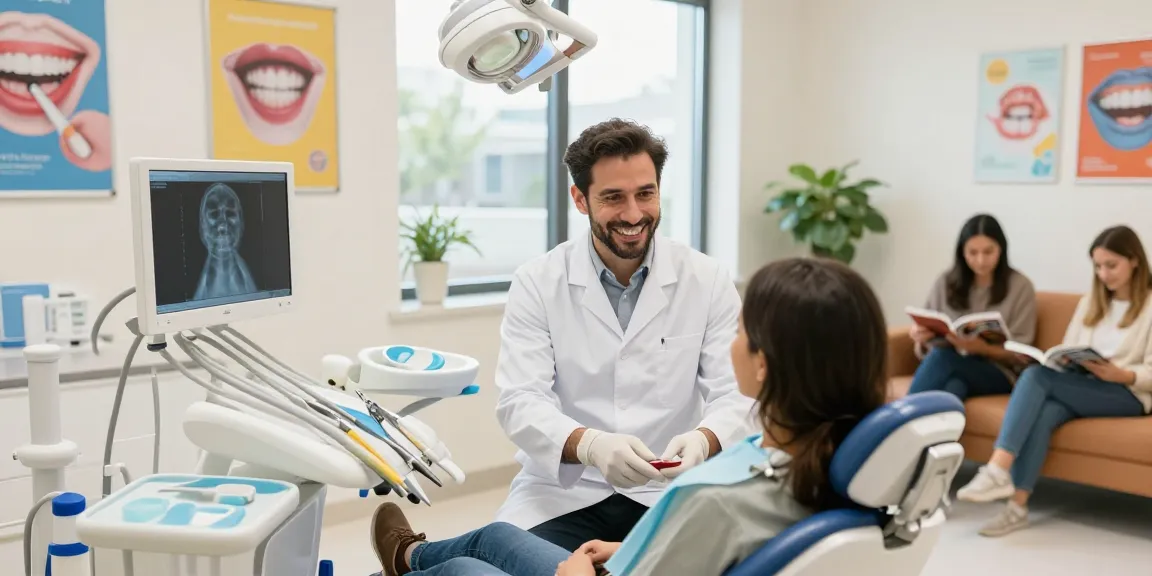
During your initial visit, expect the dentist to take a comprehensive health history, conduct a thorough examination, and possibly take X-rays. This information will help your dentist create a tailored treatment plan based on your specific needs.
Preparing Your Questions for the Dentist
Before your appointment, prepare a list of questions. Consider inquiring about:
- Your oral health status
- Recommended treatments
- Preventive measures you can take
- Any concerns or symptoms you're experiencing
Follow-Up Care and Best Practices
After your visit, follow any care instructions provided by your dentist. This may include scheduling follow-up appointments, adhering to prescribed treatments, and regularly practicing good oral hygiene at home to maintain your oral health.
Future Trends in Dental Services
The dental industry is evolving, and staying informed about future trends can help you make proactive decisions regarding your dental care. Here are some emerging trends to watch for in the coming years.
The Rise of Tele-dentistry
Tele-dentistry has gained traction, especially in the wake of the pandemic. This service allows patients to consult with dentists remotely, making care more accessible. While it won’t replace in-person visits for all procedures, it offers a convenient solution for consultations and follow-ups.
Innovative Technologies in Dentistry
New technologies, such as AI-driven diagnostics and 3D printing for custom dental implants, are reshaping the landscape of dental care. These innovations promise better accuracy, efficiency, and customization for treatments.
What to Look for in 2026 and Beyond
As you consider future dental visits, look for practices that prioritize patient experience, leverage technology effectively, and keep updated with the latest in dental health standards. Being proactive will help you navigate through your dental care options successfully.
Frequently Asked Questions
How Do I Find the Nearest Dentist?Utilize online platforms that allow you to search local dentists by entering your city or zip code for the most accurate results.
What Should I Consider When Choosing a Dental Plan?Look for coverage that includes essential treatments, preventive services, and out-of-pocket expenses that fit your budget.
How Often Should I Schedule Dental Check-Ups?Most professionals recommend at least twice a year for regular check-ups and cleanings, but those with ongoing issues may require more frequent visits.