
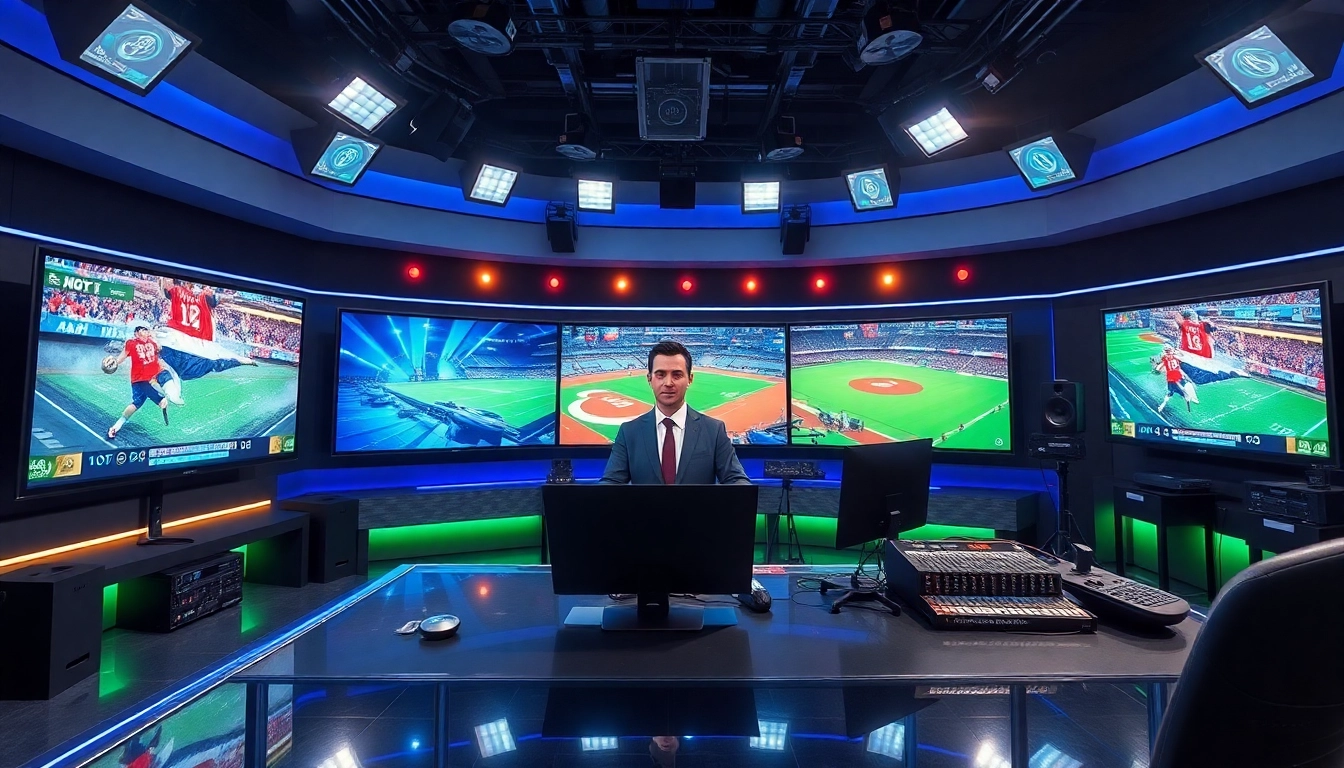
Understanding the Fundamentals of Sports Broadcasting
The Role of Sports Broadcasting in Today's Media Landscape
Sports Broadcasting plays a pivotal role in the modern media ecosystem by delivering live events, analysis, and commentary to millions of fans worldwide. As traditional television viewership declines, digital platforms have emerged, reshaping the broadcasting landscape. This transition has created opportunities for engaging and innovative formats that cater to diverse audiences. The impact of Sports Broadcasting extends beyond entertainment; it influences the economy, sports marketing, and cultural conversations.
Key Components of Effective Sports Broadcasting
Effective sports broadcasting combines several key components that contribute to a seamless viewing experience. Primarily, these include:
- Content Quality: Engaging commentary and insightful analysis are crucial for maintaining viewer interest.
- Production Values: High-quality visual and audio production enhances the overall experience.
- Technology Integration: Utilizing the latest technology for streaming and analytics can elevate broadcasts.
- Viewer Interaction: Engaging with fans through social media and live polls fosters a community atmosphere, heightening viewer engagement.
The Evolution of Sports Broadcasting Technology
The technology behind sports broadcasting has evolved dramatically over the years. Early telecasts were limited in scope and quality, but advancements in satellite technology, high-definition (HD) broadcasting, and streaming platforms have transformed how fans consume sports. Technologies such as augmented reality (AR) and virtual reality (VR) are on the forefront, enabling immersive viewing experiences that bring fans closer to the action than ever before.
Strategies to Enhance Audience Engagement
Building a Connection with Viewers
Establishing a connection with viewers goes beyond transmitting content. Broadcasters can build relationships through personalized interactions. Techniques to do this include featuring viewer feedback, responding to social media comments, and hosting live Q&A sessions. Additionally, creating community-centric broadcasts can foster loyalty and attract new audiences.
Interactive Features in Sports Broadcasting
Incorporating interactive features is essential for maintaining viewer interest in a competitive environment. Options such as real-time polls, interactive graphics, and fan votes on game tactics encourage viewer participation. Gamification elements can make watching more engaging by allowing fans to predict outcomes or participate in fantasy sports leagues linked to broadcasts.
Real-Time Analytics for Better Audience Insights
Utilizing real-time analytics allows broadcasters to gain valuable insights into viewer preferences and behaviors. Metrics such as viewer drop-off rates, peak viewing times, and demographic data can help shape future broadcasts and marketing strategies. By analyzing these insights, sports broadcasters can refine content to keep audiences engaged.
Common Challenges in Sports Broadcasting
Managing Live Events: Tips and Tricks
Live sports events present unique challenges, including time constraints and unexpected incidents. Effective management requires meticulous planning, including backups for technology failures and well-trained personnel. Implementing checklists, conducting rehearsals, and having contingency strategies can significantly enhance the handling of live broadcasts.
Legal and Ethical Considerations
Sports broadcasters must navigate various legal and ethical concerns, including intellectual property rights, broadcasting rights, and privacy issues. Ensuring compliance with regulations and maintaining ethical standards in reporting is essential to building trust. Engaging legal experts for guidance can help broadcasters avoid legal pitfalls.
Adapting to Changing Media Consumption Patterns
As audiences' media consumption habits continue to evolve, broadcasting strategies must adapt. Viewers increasingly favor on-demand content accessible via mobile devices. Broadcasters should invest in developing mobile-friendly platforms and enhancing their streaming offerings to meet audience expectations, ensuring content reaches fans regardless of their preferred medium.
Best Practices for Quality Sports Broadcasting
Creating Compelling Content and Narratives
Storytelling is at the heart of effective sports broadcasting. Broadcasters should strive to create compelling narratives that connect events, players, and history. Leveraging personal stories or behind-the-scenes content can captivate audiences, fostering a deeper emotional connection with the sport. Also, focusing on the cultural and social significance of sports enhances viewer engagement.
Investing in High-Quality Equipment and Software
The quality of broadcasting significantly hinges on the equipment used. Investing in state-of-the-art cameras, microphones, and broadcasting software ensures a professional output. Additionally, using advanced editing tools can improve production value, making content visually appealing and easy to consume for viewers.
Training and Skill Development for Broadcasters
Continuous training for sports broadcasters is vital for staying current in an evolving landscape. Workshops, online courses, and mentorship programs can assist in developing vital skills such as storytelling, technical proficiency, and audience engagement strategies. Fostering a culture of learning within broadcasting organizations is crucial to maintaining quality.
Measuring Success in Sports Broadcasting
Key Performance Indicators for Broadcast Quality
Evaluating broadcast quality involves several key performance indicators (KPIs) such as viewer ratings, audience retention rates, and engagement metrics. These KPIs help broadcasters gauge the effectiveness of their content. A/B testing different formats can reveal what resonates best with the audience, allowing for agile modifications crucial for success.
Utilizing Viewer Feedback for Continuous Improvement
Soliciting and analyzing viewer feedback is an essential part of refining broadcast strategies. Platforms offering direct communication channels, like social media or dedicated feedback forums, can provide real-time insights into audience perceptions. Implementing changes based on this feedback can enhance the overall broadcast experience significantly.
Future Trends in Sports Broadcasting Analytics
The future of sports broadcasting analytics lies in harnessing big data and machine learning. Predictive analytics can offer insights into viewer behavior, helping broadcasters tailor content to meet audience demands. As technology continues to advance, embracing these trends will enable broadcasters to stay ahead and maintain relevance in a competitive landscape.
Frequently Asked Questions
What is the primary role of sports broadcasting?
The primary role of sports broadcasting is to deliver live sports events, news, analyses, and commentary to audiences across various platforms, enhancing viewer engagement and enjoyment.
How can sports broadcasters improve audience engagement?
Sports broadcasters can improve audience engagement by incorporating interactive features, building personal connections with viewers, and utilizing social media for real-time communication.
What are the common challenges faced in sports broadcasting?
Common challenges include managing live events, addressing legal and ethical concerns, and adapting to the changing media consumption patterns of audiences.
What are key performance indicators in sports broadcasting?
Key performance indicators include viewer ratings, audience retention, engagement metrics, and feedback analysis, which help evaluate broadcast success.
How important is technology in sports broadcasting?
Technology is crucial in sports broadcasting as it enhances production quality, allows for innovative content formats, and enables real-time engagement with viewers.