
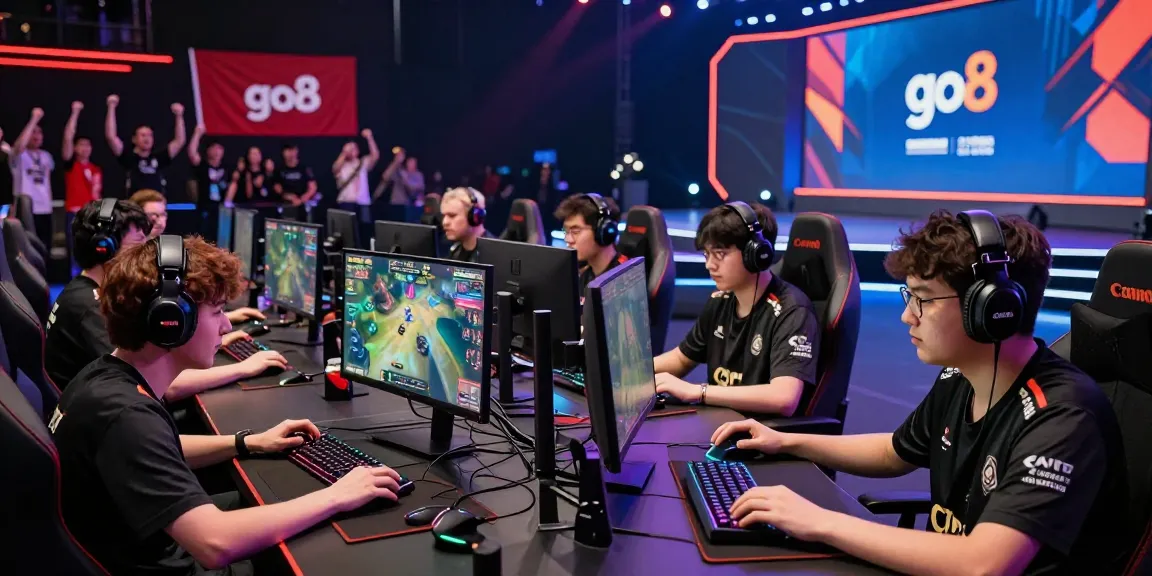
The Evolution of Esports and Gaming Technology
Esports has rapidly transformed from niche competitions to a global phenomenon that garners millions of viewers and participants alike. This evolution is driven by technological advancements and cultural shifts that enhance how games are played, streamed, and consumed. As we look toward 2026, platforms like go8 are pivotal in shaping competitive play, creating an ecosystem where gamers can thrive.
How go8 is Shaping Competitive Play
Among the most significant trends in esports is the integration of advanced technology, particularly in player development and competition formats. Platforms such as go8 offer gamers not only a venue to compete but also tools and resources that cultivate talent. By utilizing data analytics and performance tracking, go8 empowers players to refine their skills and strategies effectively. This fosters a highly competitive atmosphere where players can continuously improve and adapt.
Emerging Technologies in Gaming 2026
The landscape of gaming technology is set to undergo massive changes by 2026. Key trends include the rise of virtual reality (VR), augmented reality (AR), and artificial intelligence (AI) in gaming. VR technologies enable immersive experiences that transport players into the game world, while AR layers digital elements on top of the physical environment, blurring the lines between gameplay and reality. AI is revolutionizing game design by creating adaptive difficulty levels, personalized gameplay experiences, and smarter non-player characters (NPCs) that react dynamically to player actions.
Impact of Streaming Platforms on Player Engagement
Streaming platforms have become integral to the esports ecosystem, influencing how players engage with both games and fans. Popular sites like Twitch and YouTube Gaming not only allow players to broadcast their gameplay but also cultivate communities around their favorite games. By 2026, we can expect these platforms to incorporate more interactive features, such as real-time viewer participation and augmented reality overlays that enhance the spectator experience. This interactivity can foster deeper connections between players and their audiences, serving to elevate both player profiles and brand partnerships.
Understanding the Audience of Esports
As the esports audience matures, understanding its demographics becomes crucial for brands and stakeholders. The gaming community is diverse, encompassing a wide range of ages, backgrounds, and interests. This varied audience necessitates tailored engagement strategies that resonate on multiple levels.
Demographics of the go8 Community
The go8 community is composed of a predominantly young audience, with a significant portion falling within the 18-34 age range. However, the community is also seeing increased participation from older age groups, largely due to the growing acceptance of gaming as a mainstream entertainment medium. Understanding these demographics allows for targeted marketing strategies that effectively reach and engage various segments of the audience.
Fan Engagement Strategies for 2026
To effectively engage esports fans in 2026, brands must focus on creating authentic connections. This can be achieved through interactive content, such as live Q&A sessions with players, behind-the-scenes access to events, and participation in community-driven initiatives. Additionally, leveraging social media platforms to facilitate discussions and foster community involvement will enhance brand loyalty and audience retention.
Common Misconceptions About Esports Participants
Despite its growth, misconceptions about esports participants persist. Many people still view gamers as socially isolated individuals who spend all their time indoors. In reality, esports athletes often embody discipline, teamwork, and strategic thinking, akin to traditional athletes. Education efforts should target these stereotypes, showcasing the professional nature of competitive gaming and the skills involved.
Trends Influencing Future Gaming Competitions
The gaming competition landscape is continuously evolving. Several key trends are shaping the future of how games are developed and played in competitive settings.
Shifts in Game Development and Genre Popularity
As player preferences evolve, so do the types of games that gain traction in the competitive scene. Battle royale games exploded in popularity over recent years, but genres like cooperative survival and strategic card games are gaining ground as players seek varied gaming experiences. Developers must pay attention to these shifts to create engaging games that appeal to competitive players.
Monetization Strategies for Esports Events
Effective monetization of esports events hinges on engaging multiple revenue streams. Traditional ticket sales, merchandising, and sponsorships remain vital, but new avenues such as subscription models, in-game purchases, and live streaming sales are increasingly important. Collaborations with brands that resonate with the gaming audience can also create lucrative partnerships, ensuring sustainability for esports tournaments.
Growth of Mobile Gaming and Its Impact
The rise of mobile gaming is undeniable, with a growing segment of the esports audience participating through mobile platforms. This trend opens up new competitive arenas, enabling previously untapped demographics to engage with esports. By 2026, we expect mobile esports tournaments to gain significant traction, prompting organizations to adapt by including mobile-friendly formats and games.
Building a Successful Career in Esports
For those aspiring to enter the competitive gaming scene, understanding the pathways to a successful career is crucial. The esports ecosystem provides numerous opportunities, but it requires dedication, skill, and strategic planning.
Pathways to Becoming a Professional Gamer
A career in esports typically begins with honing one’s skills in a particular game. Becoming part of a competitive team or community and participating in local tournaments can provide valuable experience. Networking with other players, coaches, and organizations is also essential for gaining visibility and potential sponsorship opportunities.
Essential Skills for Aspiring Esports Athletes
Successful esports athletes share several key skills, including strategic thinking, teamwork, communication, and adaptability. Mastering the technical aspects of gameplay is crucial, but equally important is the ability to work well with team members and respond effectively in high-pressure situations. Regular practice and analysis of gameplay can help players refine these skills over time.
Networking and Opportunities in the Industry
The esports industry thrives on connections. Aspiring gamers should engage with the community through online forums, social media platforms, and in-person events. Attending conventions, participating in workshops, and being active in the gaming community can open doors to internships, sponsorships, and other career opportunities.
The Role of go8 in Esports Ecosystem
As esports continues to grow, the role of platforms like go8 becomes increasingly vital in fostering a healthy ecosystem of competitive gaming.
Innovative Partnerships and Sponsorships
go8 exemplifies how innovative partnerships can enhance the esports landscape. By collaborating with gaming studios, technology companies, and brands that align with their values, they create unique opportunities for players and fans alike. These partnerships not only boost the visibility of events but also enhance the overall experience for participants.
Measuring Success: Key Performance Metrics
In a data-driven world, measuring success in esports requires a comprehensive approach. Key performance metrics, such as viewer engagement, participant satisfaction, and brand visibility, are vital for gauging the effectiveness of events and strategies. Platforms like go8 are at the forefront of utilizing analytics to provide insights that can inform future decisions, ensuring long-term growth.
Future Predictions for Go8's Influence
Looking ahead, go8 is poised to play a significant role in shaping the future of competitive gaming. With a focus on innovation and community engagement, they are likely to set trends that other platforms will follow. As the esports industry evolves, go8's commitment to enhancing player experiences and fostering healthy competition will be crucial to its success.
What is go8 and how does it relate to esports?
go8 is a prominent platform within the esports industry that connects gamers to competitions, resources, and community. By offering tools for performance tracking and a supportive environment for competition, go8 empowers players to reach their full potential.
What skills are needed to excel in competitive gaming?
Exceling in competitive gaming requires a blend of technical skills, strategic thinking, and effective teamwork. Players must continuously refine their gameplay and adapt to new challenges, all while maintaining strong communication with their team members.
How will technology shape the future of esports?
Technology will undoubtedly continue to shape esports, introducing more immersive experiences and enhancing player engagement. From advanced AI-driven opponents to virtual reality competitions, the future of gaming promises exciting developments.
What are the best practices for engaging with esports fans?
Engaging with esports fans involves creating authentic, interactive experiences that foster community. Utilizing social media to connect with audiences, hosting events, and providing behind-the-scenes content can significantly enhance fan loyalty and participation.
What future trends should we expect in the gaming industry?
In the coming years, expect trends such as increased mobile gaming, the rise of VR and AR in competitions, and a greater emphasis on community-driven content. These trends will continue to redefine how games are played and experienced around the globe.